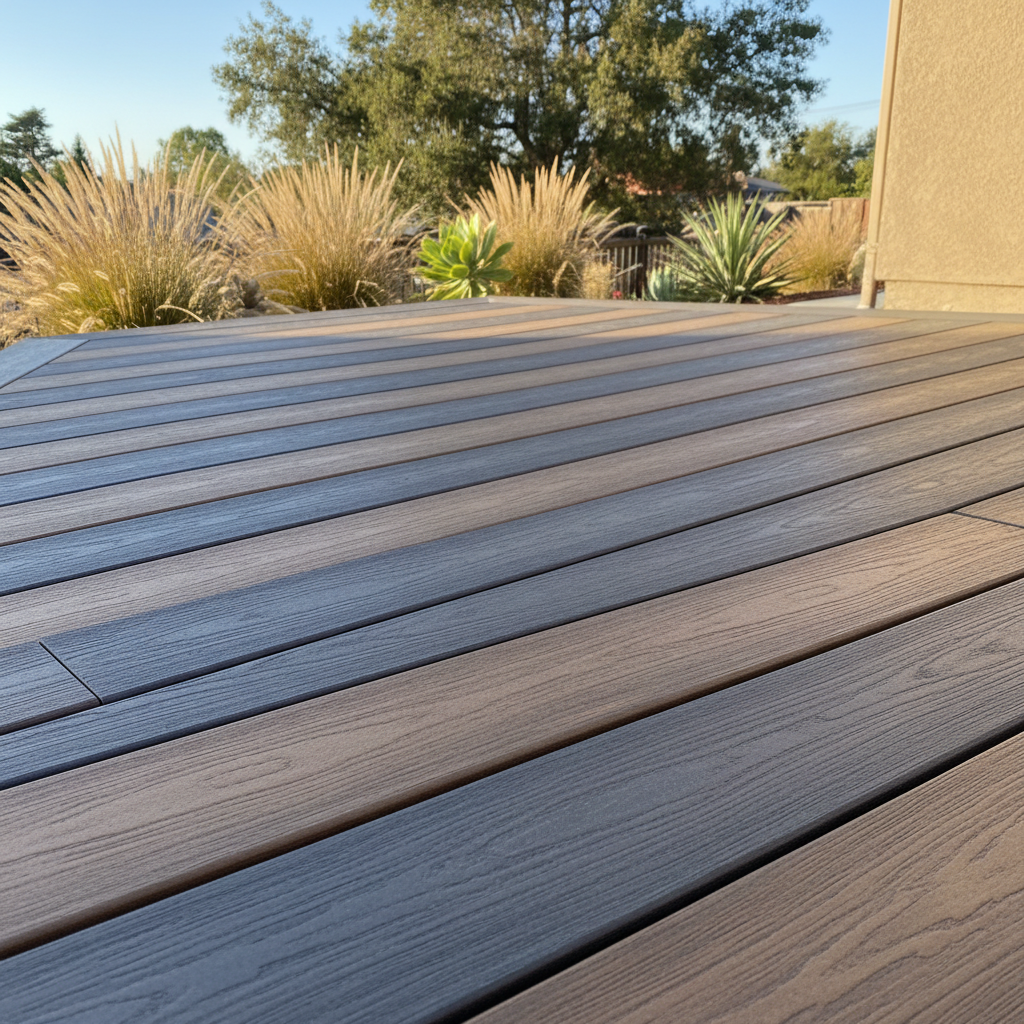
Are you tired of spending your weekends sanding, staining, and sealing an old wooden deck? Many homeowners across our local neighborhoods are making the switch to composite decking to cut down on that endless maintenance routine. If you are mapping out a new outdoor project, it helps to know what actually happens before the first board goes down, while the crew is on-site, and after the job wraps up.
Before the Build: Planning and Prep
Before you buy a single box of hidden fasteners or pick out board colors, you need to look at your property layout and soil. Down here in the flatlands near the Bay, clay-rich soils can shift and hold moisture differently than the sloping lots up in Broadmoor. Homeowners must check utility lines, pull the necessary city permits, and finalize their design layout.
Can you handle this phase yourself? You can certainly sketch out your ideal dimensions, gather inspiration, and handle initial material research on your own. But when it comes to structural engineering, calculating load requirements, and pulling local permits through the city building department, bringing in a professional makes a big difference. San Leandro Deck Builders sees DIY layout mistakes all the time that lead to failing inspections or poor drainage against the house foundation.
During the Project: Framing and Installation
Once permits are cleared, the real work begins. The build phase involves tearing out any old, rotted lumber, pouring concrete footings, constructing a solid sub-frame, and finally laying down the composite boards. Because composite materials expand and contract with temperature shifts more than traditional wood, thermal gapping rules are important during installation. If a board is cut too tight on a cool morning, it can buckle when our afternoon sun hits it hard.
This is where hiring San Leandro Deck Builders pays off. While a handy homeowner might be able to assemble simple garden furniture or lay patio pavers, building a multi-level deck frame that meets modern safety codes and handles local wind loads requires specialized tools and heavy labor. Let the pros tackle the structural framing, concrete work, and precise board spacing so you do not end up with a wavy, unsafe surface.
After the Project: Living With Composite
Your new deck is built, the job site is clean, and you are ready to spend time outside. The best part about modern composite materials is that they do not splinter, rot, or demand annual staining. However, low-maintenance does not mean zero maintenance. Marine moisture rolling in from the Bay and nearby tree pollen can create a layer of grime or organic mildew on the surface, especially during damp winter months.
Here is what you can easily do yourself after the build:
- Give the Deck a gentle wash with mild soap, warm water, and a soft-bristle brush a couple of times a year to clear away dust and pollen.
- Keep leaves and organic debris swept out from between the board gaps so air can circulate properly.
- Check your railings and gate latches annually to tighten any loose screws.
Skip the pressure washer, though. Blasting high-pressure water too close can etch or fuzz the composite cap stock permanently. Stick to a standard garden hose and a soft brush to keep your Deck looking sharp for 15 to 20 years or more.