You're probably wondering if a Trex deck is right for your home, especially with all the talk about composite materials these days. I get a lot of questions about Trex from folks right here in San Leandro, and it's good to ask. You're investing in your home, and you want to make sure you're making a smart choice. So, let's get straight to it. Here are the most common questions I hear about Trex decks, and my honest answers.
What exactly is Trex, and how is it different from wood?
Okay, so Trex isn't just one thing; it's a brand of composite decking. Basically, they take recycled plastic film and reclaimed wood fibers, mix 'em up, and bind them together under high pressure and heat. Then they cap it with a durable shell. Think of it like a really tough, engineered material that looks like wood but doesn't act like it.
The big difference from traditional wood? Wood is natural. It breathes, it swells, it shrinks, it wants to rot, and bugs want to eat it. It needs regular staining or sealing to stay looking good and last. Trex, on the other hand, is engineered to resist all that. It won't rot, splinter, or get eaten by termites. You don't have to stain or seal it, ever. It's a low-maintenance product, and that's a huge selling point for busy homeowners.
How much does a Trex deck cost compared to a wood deck?
This is usually the first question people ask, and it's a fair one. Upfront, a Trex deck is almost always going to cost more per square foot than a pressure-treated wood deck. Sometimes it's 20% more, sometimes 50% more, depending on the specific Trex line you choose and the type of wood you're comparing it to. A basic pressure-treated pine deck is usually the cheapest option.
However, that's just the initial build cost. You've got to factor in the long-term. With wood, you're looking at annual or bi-annual maintenance costs – power washing, sanding, staining, sealing. That's money and, more importantly, your time. Over 10 or 15 years, those maintenance costs for wood can easily eat up, or even surpass, the initial difference in price. So, while the sticker price is higher for Trex, the total cost of ownership often evens out or even favors Trex in the long run. It's an investment in not having to do that work every year.
Does Trex get really hot in the California sun?
Yeah, it can. That's a common concern, especially here in the Bay Area where we get plenty of sun, particularly in the summer months when the fog burns off. Any dark-colored surface, whether it's wood, concrete, or composite, is going to absorb heat. Trex is no exception.
Generally, darker Trex colors will get hotter than lighter ones. Some of the newer Trex lines, like Trex Transcend and Trex Enhance, have improved heat dissipation properties compared to older generations, but they still get warm. If you're someone who likes to walk barefoot on your deck in the middle of a hot afternoon, you might notice it. My advice? If you're worried about heat, lean towards lighter colors. Also, consider where your deck will be located. A deck that gets full, direct afternoon sun all day long will obviously be hotter than one with some shade from an awning or a mature tree.
Is Trex slippery when it's wet, especially with our morning dew?
That's a good question, especially with the morning dew we get here in San Leandro, or after one of our winter rains. Trex, like most decking materials, can be a bit slick when wet, but it's generally designed with a textured surface to provide some grip. It's not like walking on ice. Compared to smooth, wet wood, I'd say it performs pretty well.
However, if you let algae or mildew build up on it, then yes, it can become quite slippery. That's why even though it's low maintenance, it's not *no* maintenance. A simple cleaning with soap and water and a soft brush once or twice a year will keep it looking good and prevent any slick spots. We've built plenty of Trex decks in neighborhoods like Estudillo Estates, and with a little care, they hold up fine against our weather.
What kind of warranty does Trex offer?
Trex has a pretty solid warranty, which is one of the benefits of going with a reputable brand. They offer a 25-year limited residential warranty for their decking products against material defects, fading, and staining. For some of their higher-end lines, like Trex Transcend, they even offer a 25-year fade and stain warranty. That's a big deal because fading and staining used to be bigger issues with composite decking years ago.
Now, it's important to read the fine print, as with any warranty. It covers manufacturing defects and significant issues, not normal wear and tear or damage from improper installation or neglect. But having that kind of backing for a quarter-century really speaks to their confidence in the product. It gives you peace of mind that you're investing in something that's built to last.
Can I install Trex myself, or do I need a professional?
Look, if you're handy and you've got experience with construction, you *can* install Trex yourself. The boards are pretty consistent, and they have hidden fastening systems that make for a clean look. Trex provides good installation guides, and there are plenty of videos out there. However, it's not just like laying down boards. You've got to know how to build a proper substructure, ensure correct spacing for drainage and expansion, and handle things like stair construction and railing installation.
If you're not experienced, or if you want the job done right, efficiently, and with the full warranty intact, I'd always recommend hiring a professional. A good contractor, like us at San Leandro Deck Builders, knows the ins and outs, avoids common mistakes, and can handle any unexpected issues that pop up. Plus, you get the benefit of our experience in designing a deck that truly fits your home and lifestyle. It's about getting a quality result that you'll enjoy for decades, not just getting it done.
Does Trex really look like real wood?
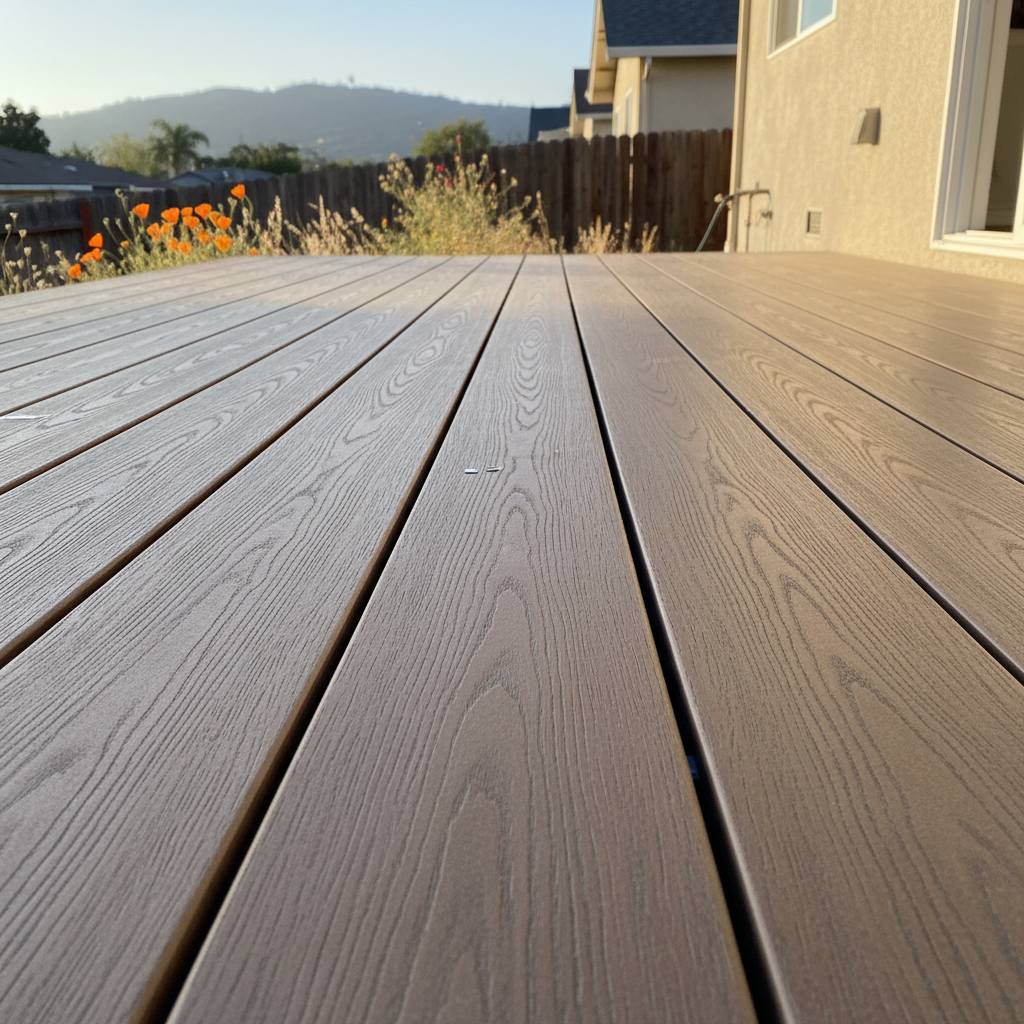
That's a question of personal taste, honestly. Trex has come a long, long way in terms of aesthetics. The early composites looked pretty artificial, but today's Trex boards, especially the premium lines, have incredibly realistic wood grain patterns and multi-tonal streaking that mimic the look of natural hardwoods. From a distance, it's often hard to tell the difference.
Up close, you can tell it's not wood. It has a different feel, a different density. But the visual appeal is very high. They offer a wide range of colors, from deep browns and grays to lighter, more exotic wood tones, so you can definitely find something that complements your home's exterior. It's not a perfect replica, but it's a beautiful, durable alternative that many homeowners find preferable to the ongoing maintenance of real wood.
Choosing a deck is a big decision, and I hope these answers give you a clearer picture of what to expect with Trex. It's a fantastic product for many homes, offering a beautiful outdoor living space with significantly less upkeep than traditional wood. If you've got more questions or want to talk about your specific project, don't hesitate to reach out.