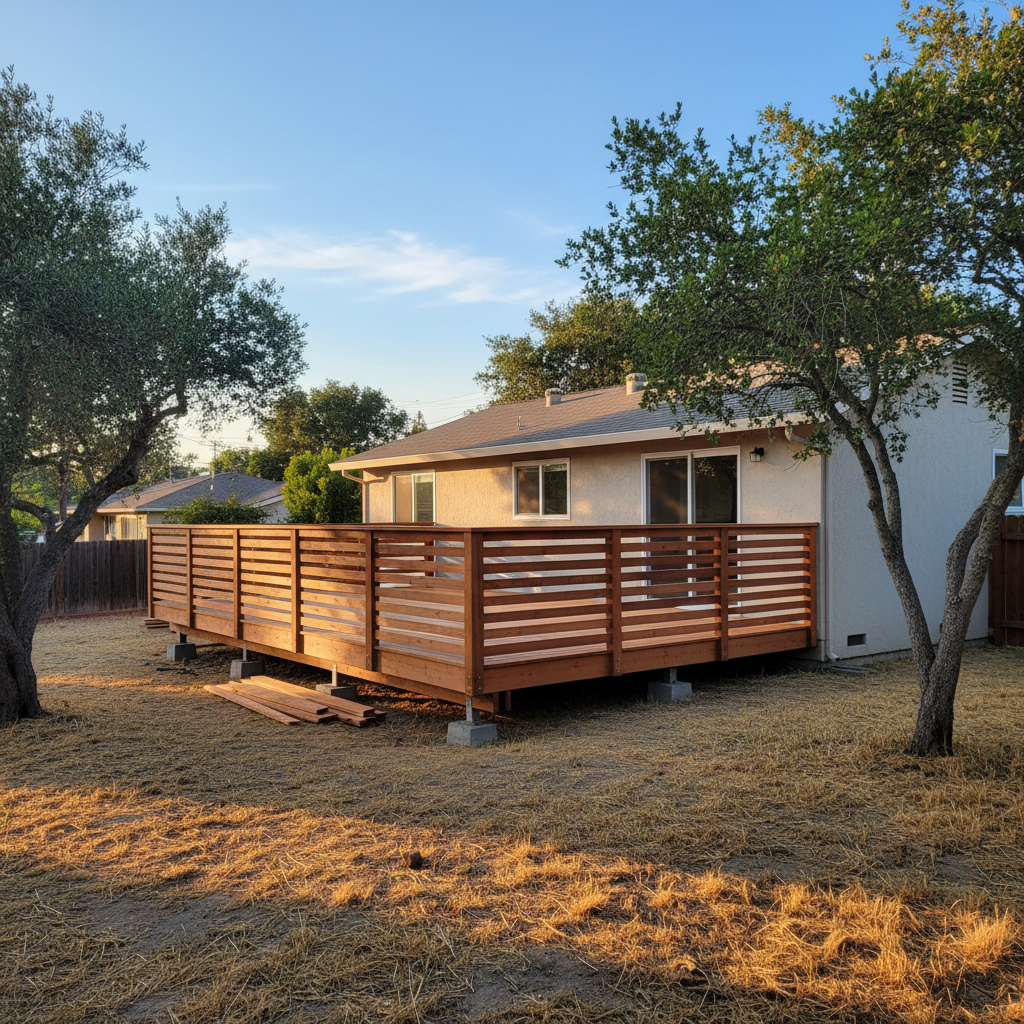
When to Fix Your Deck: It's All About Timing
Your deck isn't just another part of your house; it's your outdoor living room, plain and simple. And just like any room, it needs a little love, especially when things start to show wear. But when's the best time to actually get those repairs done here in San Leandro? It's not as simple as 'whenever you notice a problem.' Our local weather plays a huge role, and if you time it right, you'll save yourself headaches and money down the line.
I've seen it all in my years building and fixing decks around here. Folks wait until the last minute, or they try to squeeze in a repair during the wrong season, and it just doesn't hold up as well. You want your repairs to be a lasting fix, not some temporary band-aid. So, let's talk about the seasons and what they mean for your deck.
Summer: Great for Enjoyment, Tricky for Repairs
Everyone loves their deck in the summer, right? Barbecues, lounging, soaking up that San Leandro sunshine. It's prime time for outdoor living. But for major repairs, it's not always ideal. Why? Two main reasons: demand and dryness.
- Demand: Everyone wants their deck perfect for summer. That means good contractors like us at San Leandro Deck Builders are booked solid. If you're looking for a quick fix, you might be out of luck or paying a premium for rushed work.
- Dryness: Our summers are dry, really dry. While that's great for applying stains and sealants, it can be tough on wood that's already seen some moisture damage. If you're replacing rotten boards, the new wood will be dry, but the existing structure might be a different story. You want everything to acclimate properly, and extreme dryness can sometimes lead to new cracks if we don't handle it just right.
Smaller, cosmetic fixes? Sure, summer's fine. Replacing a wobbly railing or a few loose boards? Go for it. But big structural stuff? You might want to think ahead.
Fall: The Sweet Spot for Deck Repair
If you ask me, fall is hands down the best time to tackle most deck repairs around here. Why? Because you've got that perfect window after the summer heat and before the real winter rains kick in. We get those clear, crisp days, but the air still has some moisture in it, which is good for wood.
- Moderate Temperatures: Not too hot, not too cold. This is crucial for things like wood glues, epoxies, and especially for stains and sealants to cure properly. Extreme temperatures, either hot or cold, can mess with their adhesion and longevity.
- Reduced Moisture: While we do get some early rains, the ground isn't saturated like it will be in winter. This means less chance of working with damp wood, which is a big no-no for repairs that need to last.
- Contractor Availability: Our schedules start to open up a bit after the summer rush, making it easier to get your project on the books without a long wait.
This is the time you should be thinking about replacing any rotted posts, fixing joists, or dealing with significant structural issues. The wood has had a chance to dry out from any summer watering or spills, and it's not yet battling constant wetness.
Winter: A Mixed Bag for Deck Work
Winter in San Leandro can be tricky. We don't get snow, but we definitely get our share of rain, especially in January and February. That constant dampness isn't great for a lot of deck repair work.
- Rain, Rain, Go Away: Trying to replace boards or apply finishes during a downpour is just asking for trouble. You can't stain a wet deck, and you shouldn't be cutting into structural elements when everything's soaked. It compromises the integrity of the repair.
- Slower Drying Times: Even on days without rain, the humidity is higher, and things just take longer to dry. This can extend project timelines and make it harder to get multiple coats of stain or sealant on.
- Good for Planning: Winter is a fantastic time to get quotes, plan out your spring projects, and order materials. You can beat the spring rush and have everything lined up for when the weather breaks.
If you've got an emergency repair, like a dangerous loose board, we'll obviously get it done, rain or shine. But for preventative maintenance or larger projects, winter's usually a time for assessment, not execution.
Spring: Getting Ready for Action
As soon as those March and April showers start to give way to more consistent sunny days, spring becomes another excellent window for repairs. It's a bit of a race against the clock to get things done before summer hits and everyone wants their deck ready.
- Warming Up: Temperatures are getting ideal for most materials to set and cure.
- Post-Winter Assessment: This is when you'll really see what damage the winter rains did. Loose fasteners, popped nails, or new areas of rot become apparent.
- Beat the Rush: If you get in early spring, you can often get your repairs done before the summer booking frenzy begins.
I always tell folks to do a thorough inspection of their deck in early spring. Look for any signs of winter wear and tear. Pay close attention to areas that stay damp, like under planters or near downspouts. That's where you'll often find issues first, especially with our clay-heavy San Leandro soil holding moisture.
Protecting Your Investment Year-Round
Beyond just timing your repairs, year-round protection is key. It's not a one-and-done deal. Here's what you should be thinking about:
- Regular Cleaning: A simple sweep and wash a few times a year makes a huge difference. Get rid of leaves, dirt, and any mildew that's trying to set in.
- Sealing and Staining: This is your deck's armor. Depending on the product and exposure, you'll need to reapply every 1-3 years. Don't skip it. It protects against UV damage, moisture, and general wear.
- Check Fasteners: Nails and screws can work their way loose over time. A quick walk-around with a hammer or a drill to tap down or tighten things up can prevent bigger problems.
- Drainage: Make sure water isn't pooling on or around your deck. Good drainage underneath and away from the structure is critical.
Ultimately, a little proactive attention goes a long way. Don't wait until a small problem becomes a big, expensive one. Keep an eye on your deck, understand how our local seasons affect it, and you'll enjoy that outdoor space for years to come.