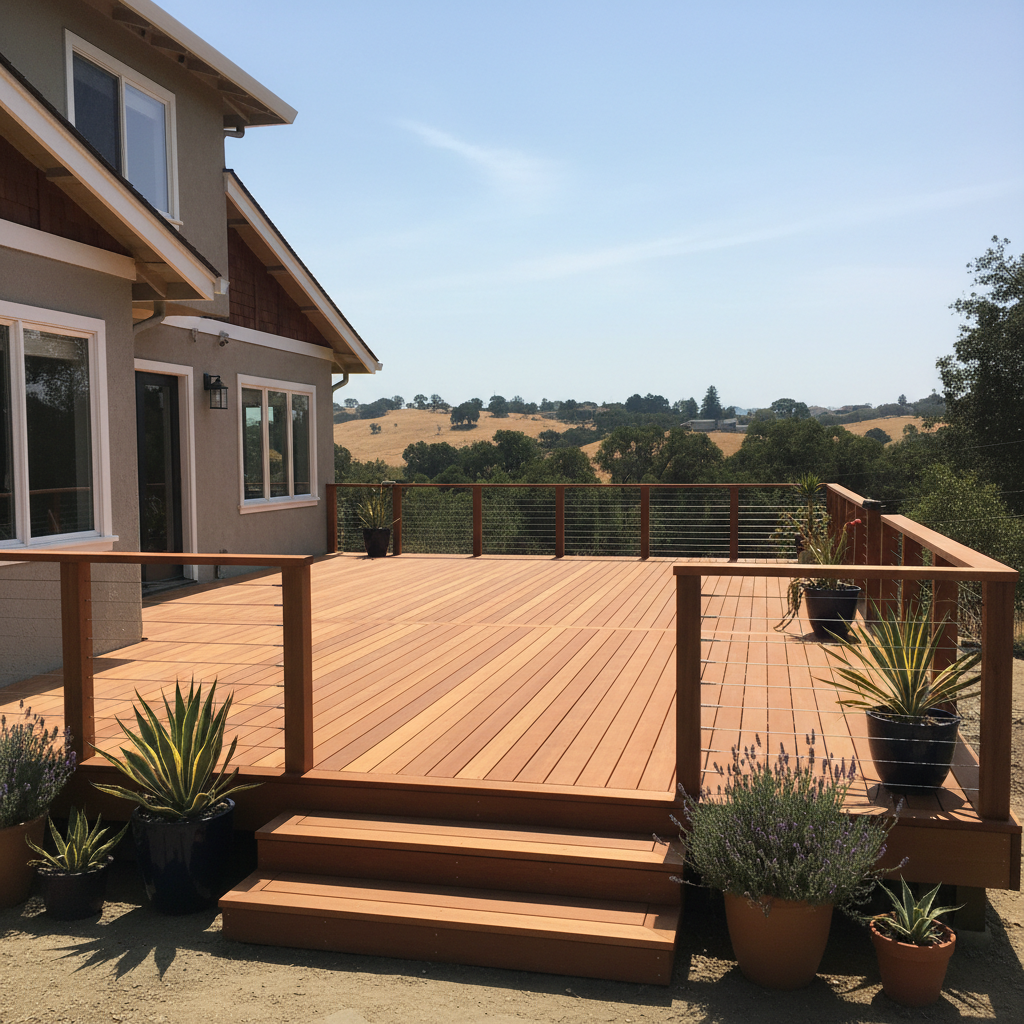
When's the best time to build a deck in San Leandro? That's a question I get asked a lot. Folks usually think summer, and yeah, that's a popular choice. But honestly, every season here in the East Bay has its pros and cons for deck construction. Knowing what to expect can save you headaches and make sure your investment lasts.
Why Timing Matters for Your San Leandro Deck
It's not just about when you want to use it; it's about the ground, the materials, and the crew. Our San Leandro weather, with its distinct wet and dry periods, really plays a role. You don't want to be pouring concrete footings during a downpour, and you don't want lumber sitting out baking in the sun for weeks before it's installed.
- Ground Conditions: Our clay-heavy soil, especially in areas closer to the bay, can get super saturated in winter. Digging for footings then is a muddy mess and can lead to unstable ground for a bit.
- Material Handling: Wood reacts to moisture and temperature. Building with wood that's too wet or too dry can lead to issues down the line, like warping or cracking.
- Crew Efficiency: Good weather means faster, safer work. Rain delays aren't just annoying; they can push back schedules and sometimes even increase costs.
Spring: A Sweet Spot for Deck Construction
If you ask me, late spring, say April or May, is often the sweet spot around here. The heavy winter rains have usually passed, so the ground isn't a swamp. But it's not scorching hot yet, so the crew isn't battling intense sun all day. Lumber has a chance to acclimate nicely without extreme conditions.
You're also getting ahead of the summer rush. Everyone wants their deck for summer barbecues, right? So if you plan for spring, you'll likely have your deck ready to go when the warm weather really hits. Plus, scheduling with a reputable company like San Leandro Deck Builders is usually a bit easier before everyone else starts calling.
Summer: Popular, But Plan Ahead
Summer is prime time for enjoying a deck, so it's naturally when most people want one built. The weather's generally dry and predictable, which is great for construction. No rain delays, good visibility, and materials stay dry.
The downside? Demand is high. If you wait until June to call, you might be waiting a while for a crew to be available. Also, those hot August days can be tough on the crew, and on freshly stained wood if it's applied in direct, intense sun. If you're building in summer, make sure your contractor is careful about how they store materials and schedule staining.
Fall: A Good Second Choice
Once the summer heat breaks, usually around September or October, fall can be a fantastic time to build. The air is cooler, often still dry, and the light is beautiful. It's a bit like spring but in reverse. You might even catch a break on scheduling as the summer rush dies down.
The only thing to watch for is the start of the rainy season. Our first significant rains can sometimes come in late October or November. If your project is scheduled for late fall, your builder will need to keep a close eye on the forecast to avoid getting caught out.
Winter: Not Impossible, But Tricky
Can you build a deck in winter in San Leandro? Yes, but it comes with challenges. The main one is rain. Heavy, consistent downpours can halt work for days, sometimes weeks. Digging footings in saturated soil is a real pain, and the ground can stay muddy for a long time.
That said, if you're building with composite materials, which are less sensitive to moisture than wood, and you can get a break in the weather, it's doable. You might also find better rates or quicker availability from contractors during the slower winter months. Just be prepared for potential delays.
Protecting Your Deck Investment Year-Round
No matter when your deck gets built, protecting it is key to its longevity. Here's what I tell all my clients:
- Clean Regularly: A simple sweep to remove leaves and debris, especially after windy days, prevents moisture and rot.
- Inspect Annually: Look for loose fasteners, splinters, or signs of wear. Catching small problems early saves big money later.
- Seal or Stain: For wood decks, this is crucial. Our coastal fog and occasional heavy rains mean wood needs protection. Follow the manufacturer's recommendations, usually every 1-3 years.
- Trim Vegetation: Keep bushes and trees trimmed back from your deck. They can trap moisture and contribute to mildew growth.
Ultimately, the